Submitted by Tyler Durden on 04/08/2014 10:42 -0400
We wonder: why does the truth about the broken system, as witnessed and experienced by individual employees, always wait until said employee is about to depart their employer or just after? Obviously that is rhetorical. However, it is worth mentioning, because in the latest such revelation, a retiring SEC trail attorney veteran, James Kidney, who had been with the agency since 1986 and retired this month, just crucified his now former employer for doing precisely all those thing that outside critics - notably Zero Hedge - have accused the most co-opted, clueless, corrupt and criminal regulators of doing. Only he said it in a way that not even we could have phrased.
The SEC has become “an agency that polices the broken windows on the street level and rarely goes to the penthouse floors,” Kidney said, according to a copy of his remarks obtained by Bloomberg News. “On the rare occasions when enforcement does go to the penthouse, good manners are paramount. Tough enforcement, risky enforcement, is subject to extensive negotiation and weakening.”
Kidney said his superiors were more focused on getting high-paying jobs after their government service than on bringing difficult cases. The agency’s penalties, Kidney said, have become “at most a tollbooth on the bankster turnpike.”
Wow: another "erudite" former cog in the systemic wheel goes off the reservation and gets all tinfoil bloggy on us. He goes on:
In his speech, Kidney also hit the agency for using misleading statistics to showcase its enforcement efforts. The SEC should focus on the quality of its actions, rather than try to file as many as possible just to tout its record to lawmakers and the media, he said.
“It is a cancer,” Kidney said of the agency’s use of numbers. “It should be changed.”
His name was James Kidney.
Kidney said in the interview that he will always be an SEC loyalist and was trying to offer constructive criticism that could help the agency. He said he wasn’t singling out any specific cases or officials in his comments.
“I don’t think we did a very aggressive job with all the major players in the crash of ’08,” he said, noting that as a civil enforcement agency, the commission does not need to prove its cases beyond a reasonable doubt like the Justice Department does. “The SEC has a lower burden of proof and we should be pushing the envelope a bit.”
You mean, pretending to regulate the same people where SEC staffers wish to work will no longer fool most of the people all of the time? The horror... The horror.
A quick reminder on the Goldman wrist slap deal with the SEC, where Kidney was part of the initial, if not final team.
Kidney, who was part of the initial team that was building the Goldman Sachs case, pressed his bosses in the enforcement division to go higher up the chain. He later took himself off the team after being given a lesser role, according to people familiar with the matter.
In particular, the people said, Kidney argued that the commission should sue Tourre’s boss, Jonathan Egol. Kidney also wanted to bring a case against Paulson & Co. or some executives at the hedge fund, which helped pick the portfolio of securities that were underlying the Abacus vehicle and then bet against it.
The SEC ultimately decided not to sue Egol, the Paulson firm or any individuals from the hedge fund.
Yes, it was all the not even 30 year old Tourre's fault. All of it. And the person who dared to point out this criminal disdain for justice by the SEC? He was demoted by the most corrupt of all: Mary Schapiro.
The punchline - the SEC is a regulator only for optical purposes. It's true role is not to shake up the status quo.
In his retirement speech, Kidney noted that he had been “involved in a high-profile case or two” and said he had gotten a message from above not to take too many risks.
“I have had bosses, and bosses of my bosses, whose names we all know, who made little secret that they were here to punch their ticket,” Kidney said. “They mouthed serious regard for the mission of the commission, but their actions were tentative and fearful in many instances.”
Simply said: disgusting and pathetic - both the sad truth about the US market "regulator", which most were already aware of, and that an SEC employee has to wait until the day he quits to express it.
Oh, and if anyone still wants to know why the perfectly legal parasitism of HFT has turned off the retail investors for the last time, and why everyone knows the market is rigged - it is not the vacuum tubes. Nope. It is the criminals at the SEC who made it legal for 25 year old math PhDs to rig stocks in the first place, and who allowed the TBTF banks to make the marketplace into their own personal no risk, all return piggy bank. Them, and of course Congress - because when the day comes that all those idiotic trades blow up and the banks have to pay the penalty, why - they just get another taxpayer bailout, courtesy of America's democratically elected "representatives."
05-05-2014, 12:39 AM (This post was last modified: 05-05-2014, 12:47 AM by admin.)
Crime gangs expand into food fraud
Draft EU report says increasingly sophisticated techniques being used to counterfeit and adulterate food
Counterfeit whisky seized by German officials. Photograph: Carmen Jaspersen
Organised gangs are becoming increasingly sophisticated in their use of technology to perpetrate widespread food fraud, according to experts.
A rise in criminal targeting of the food and drink sector is being blamed on the huge mark-ups that can be made by passing off inferior products as premium goods, coupled with the fact that there is little oversight and lenient penalties for those caught.
Concerns about the role organised crime is playing in the endemic diluting of virgin olive oil has seen the UK government appoint a specialist testing company to establish if the grade declared on the label is genuine. Olive oil is recognised by the EU committee on the environment, public health and food safety as the product most at risk of fraud by gangs, in particular Italian crime syndicates. Other foods attracting the interest of organised crime, according to the committee, include fish, milk, honey and rare spices such as saffron.
The committee has warned that it "is concerned about signals indicating that the number of cases is rising and that food fraud is a growing trend reflecting a structural weakness within the food chain." In a draft report, it claims that "recent food fraud cases have exposed different types of food fraud, such as replacing key ingredients with cheaper alternatives, wrongly labelling the animal species used in a meat product, incorrectly labelling weight, selling ordinary foods as organic, unfairly using origin or animal welfare quality logos, labelling aquaculture fish as wild, counterfeiting and marketing food past its use-by date."
Hilary Ross, a lawyer who specialises in food security issues and has contributed to the government's forthcoming Elliot review into the integrity of the UK's food chains, produced in response to the horsemeat scandal, said that the nature of the threat posed by criminal gangs to the food chain was changing.
"In terms of criminal activity they are becoming ingenious," she said. "If one thing is detected they move on to another. But there is not one magical science cure that tests for everything. You have to know what you are looking for."
Stuart Shotton, a former trading standards officer whose company, Foodchain Europe, advises clients on food security, said the baby milk scandal in China had shown that criminals were increasingly clever in their use of technology to deceive regulators.
"A lot of Chinese infants ended up seriously ill and died," he said. "When you look at the science behind it, someone was clever enough to work out that the way they test to ensure milk is the right quality is through the protein content. Then they figured out that the way protein is measured is by looking at the amount of nitrogen produced, and then figured out that melamine is an excellent source of nitrogen. This is not happening by chance. Someone's actually thought about it."
Shotton pointed out that a recent global crackdown on organised criminal gangs perpetrating food fraud, Operation Opson III, had uncovered tens of thousands of fake chocolate bars: "This shows that they are moving beyond just substitution – changing one element of a food. It's making something look like something else altogether."
Experts say the new threats posed by criminal gangs meant regulators needed to change their game.
"We have to think like a criminal," said Jenny Morris, principal policy officer at the Chartered Institute for Environmental Health. "If you know a crook is going to be looking for opportunities to make maximum money, then you have to look where that might be." She warned that a failure to act could have serious health consequences.
Get the Observer Food Monthly email
Sign up to the Observer Food Monthly for food and drink news, tips, offers, recipes and competitions.
"Study Funded By Soda Industry Concludes Diet Soda Helps People Lose Weight"
A new study fully funded by the American Beverage Association — whose members include Coca-Cola and Pepsi — draws some favorable conclusions for the soda industry, suggesting that drinking diet beverages can help people lose weight. The findings contradict previous studies that have found diet soda is linked to weight gain and health problems.
Researchers conducted a 12-week clinical trial with a sample size of 303 people. Participants were split into two groups: one that was allowed to drink at last 24 ounces of diet beverages each day, and one that wasn’t allowed to drink any soda or add artificial sweeteners to their coffee. The two groups both participated in the same weight loss treatment program, and at the end of the three month period, researchers found that the people that were allowed to drink diet soda had lost an average of four additional pounds.
The study authors concluded that it’s easier for people to stick to a diet and exercise plan if they’re not also depriving themselves of the diet sodas they’re used to drinking.
“This research allows dieters to feel confident that low- and no-calorie sweetened beverages can play an important and helpful role as part of an effective and comprehensive weight loss strategy,” John Peters, one of the co-authors of the study and the chief strategy officer at the University of Colorado’s Anschutz Health and Wellness Center, said in a statement.
But other public health researchers have criticized the study’s methods, saying that a 12-week trial is too short to discern the long-term health effects of soda. “What the prospective studies actually suggest is that if you go out 7 years, 10 years, 15 years, 20 years, the cohorts of individuals who are consuming diet sodas have much worse health outcomes,” Susan Swithers, a professor at Purdue University whose research has found that diet soda drinkers have the same health issues as soda drinkers, told CNN.
And the participants in the study were already regular diet soda drinkers, so it makes sense they may have struggled to cut out those beverages in addition to other dietary restrictions. The authors acknowledged that the positive effects of drinking diet soda likely won’t be as significant for people who aren’t already regularly consuming it.
Officials from the American Beverage Association did not respond to ThinkProgress’ request for comment.
This is hardly the first time there have been questions over the beverage industry’s involvement in research. In 2007, a review of over 100 different studies related to beverages found the industry paid for the majority of that research. Furthermore, the studies funded exclusively by the industry were up to eight times more likely to result in favorable conclusions for beverage companies, compared to the research that wasn’t backed by their dollars. “It is a strong association. It raises concern for bias,” the main author of that review, Dr. David Ludwig, said at the time.
Big food corporations also give directly to scientists and medical groups. In 2008, a well-known scientist who was tapped to be the president of the Obesity Society handed in his resignation after he was exposed to have financial ties with corporations like the American Beverage Association, Kraft, McDonald’s, and General Mills. The Children’s Hospital of Philadelphia was criticized for accepting $10 million for obesity research from the soda industry. And after the American Association of Family Physicians took a six-figure sponsorship dealfrom Coca-Cola, some angry doctors left the organization.
In fact, some public health advocates have accused the food and drink industries of using the same tactics once employed by Big Tobacco to mislead Americans about their products. The American Beverage Association has resisted comparisons between soda and tobacco, pointing out that soda is not inherently harmful, unlike smoking.
Antibiotics now rank among the most counterfeited medicines in the world, feeding a global epidemic of drug-resistant superbugs.
A new surveillance and reporting program in 80 countries led by the World Health Organization shows that counterfeit antibiotics are a growing problem in all regions of the world, rivaling fake versions of erectile dysfunction pills like Viagra. Infections become superbugs by gaining resistance when the treatments used against them aren’t strong enough to kill them. It’s a growing problem as substandard counterfeit drugs become more prevalent.
The threat is already spurring a strong response from drugmakers such as Pfizer Inc. (PFE), the U.S. maker of the Zithromax antibiotic, which has been focusing its anti-counterfeiting efforts on online pharmacies, collaborating with Microsoft Corp.
“Because the demand is so high for antibiotics, it’s not unusual to see those who falsify these products concentrate on them,” said Michael Deats, head of the WHO’s drug safety and vigilance team, in a telephone interview.
Earlier studies have found that Southeast Asia is a particularly large source of the questionable drugs, trafficking mostly in penicillin and their derivatives. The WHO says the problem is more widespread. England’s Chief Medical OfficerSally Davies has compared the gravity of the antibiotic resistance threat toclimate change, requiring a similarly unified response from governments, industry and society.
With genuine medicines already losing potency against bacteria, the surge of counterfeits is particularly troublesome for public health leaders trying to curb the march to what the WHO has referred to as a post-antibiotic era in which everyday infections can kill.
Weaker Treatments
“Substandard medicines can create resistance such that the bona fide medicine can’t treat the patient when he gets it eventually,” said John Clark, chief security officer for New York-based Pfizer’s fight against the counterfeit drug trade. “It’s a horrific situation.”
Part of the challenge is understanding the scale of the problem and where the fakes are coming from. Through the WHO’s surveillance program, links can be made across borders to identify high-risk sources, Deats said.
Pfizer’s effort with Redmond, Washington-based Microsoft seeks to identify affiliated networks of counterfeiters by tracking down computer servers and banks tied to their websites, Clark said. That has allowed them to take down thousands of affiliated pharmacies in one fell swoop and prevent them from resurfacing, he said.
Indian Prescriptions
In India, widespread resistance to common antibiotics is forcing doctors to prescribe previously spurned drugs like colistin, said Abdul Ghafur, an infectious diseases physician at Apollo Hospital in Chennai, in south India. Even healthy individuals who have never visited a hospital carry drug-resistant bacteria, he said.
The situation led to India heeding the Chennai Declaration to tackle antibiotic resistance and adopting in March the so-called “H1 rule,” where pharmacists must insist on prescriptions for 24 second- and third-line antibiotics.
Over the next two to three years, the list will be gradually expanded, and drug inspectors will help enforce the law, Ghafur said. “There are half a million pharmacies in India so implementation will take some time,” he said in a telephone interview.
Worldwide Resistance
India produces about 40 percent of the world’s supply of bacteria-killing drugs, according to Tim Walsh, a professor and infectious diseases researcher at Cardiff University in Wales.
The situation isn’t confined to the developing world. “Very high rates” of resistance have been observed in all regions and in bacteria that cause common infections such as those related to wounds, pneumonia and urinary-tract conditions, the WHO said in its first global survey of antimicrobial resistance in April.
Similarly, fake antibiotics are just as likely to reach patients in the U.S. andEurope as in poor countries through online pharmacies. Of more than 10,000 online outlets surveyed last year by the U.S. National Association of Boards of Pharmacy, 97 percent were out of compliance with U.S. pharmacy laws and standards.
The fake drug challenge comes amid concern about the quality of real medicines, especially generics. The U.S. Food and Drug Administration has restricted imports of drug components made by India’s Ranbaxy Laboratories Ltd. and Wockhardt Ltd. Now counterfeiters are adding to their woes.
“Generic-drug makers, just like research-based manufacturers, get just as concerned about their drugs becoming falsified,” Deats said. “They can be the target just as much as anybody else.”
Eating a Mars is fine – as long as you don't wash it down with a sweet fizzy drink. Photograph: Alamy
1. Nearly two-thirds of the UK population is either overweight or obese
Fat, not thin, is today's norm. But studies show that we don't notice because it has happened gradually and we have got used to seeing people who are overweight. Kids in pictures taken on the beach in the 1950s, with ribs showing, look famished to modern eyes. They are of normal weight. A quarter of us are actually obese, defined as a body mass index (weight in kg divided by the square of your height in metres) of 30 or above. BMI is not a brilliant tool for every individual – biceps packed with muscle weigh as much as flab – but it is satisfactory at a population level.
Men are fatter than women (67% of men and 57% of women are overweight or obese in the UK, according to the Global Burden of Disease study from the Institute of Health Metrics and Evaluation in Seattle). Socio-economically deprived areas tend to have higher rates of people who are overweight, but no income group is immune. There is a community effect: you are more likely to be overweight if your friends and neighbours are and you see it as the norm.
Skinny? No, normal. Boys running on the beach in the 1950s. Photograph: Orlando
Moderate obesity (BMI 30-35) cuts life expectancy by two to four years and severe obesity (BMI 40-45) by an entire decade, according to a major study in the Lancet in 2009. This is most likely to affect today's children; more than a fifth of five-year-olds and a third of 11-year-olds are overweight or obese. "Obesity is such that this generation of children could be the first in the history of the United States to live less healthful and shorter lives than their parents," said Dr David S Ludwig, director of the obesity programme at the Children's Hospital Boston and one of the authors of a paper that, in 2005, came to similar conclusions in the New England Journal of Medicine . The proportion of overweight children in the US and the UK is similar.
The NHS spends £5bn a year on diseases such as strokes and diabetes that are linked to obesity. Within a few decades, that is predicted to climb to £15bn. Type 2 diabetes is a huge problem: 10% of the NHS budget already goes on that alone. Being overweight is the chief cause and the numbers are soaring, from 1.4 million in 1996 to more than three million today, with a predicted rise to five million by 2025.
A study this month revealed that one-third of the population is on the verge of type 2 diabetes, having high blood glucose levels classified as prediabetes. "If this increase in prediabetes and diabetes isn't tackled now, it will destroy the health service," said Barbara Young, chief executive of Diabetes UK. "Many of the problems the secretary of state is trying to tackle, such as too many people coming in as emergencies to hospitals, are about the one in six people in any hospital at any time who've got diabetes. So it's a massive impact on the NHS and it's going to get even bigger."
Type 2 diabetes is costly in every sense – apart from complications such as blindness and amputation, it makes you five times more likely to have a heart attack or stroke.
The food industry encourages us to buy fattening foods. Photograph: 64/Ocean/Corbis
4. It's an unfair fight
The government spends £14m a year on its anti-obesity social marketing programme Change4Life. The food industry spends more than £1bn a year on marketing in the UK. Guess who has the subtler operation?
Big Food is watching you. Technology has allowed its scientists to track shoppers' eye movements, logging precisely which supermarket shelves we glance at – and which keep our attention. It's not just the in-your-face bright packaging with happy slogans, but which aisle the product is in. Food companies pay a premium to have their merchandise on end-displays, which account for 30% of supermarket sales. We are not as in control of our shopping as we like to believe. We go in with good intentions – we come out with large bottles of fizzy drinks and packets of biscuits.
5. Obesity took off in the have-it-all 80s
But it was unregistered by the government in power. McDonald's moved its headquarters into Margaret Thatcher's Finchley constituency in 1982, three years after she became prime minister. She opened the building in 1983 and visited again in 1989, on the 10th anniversary of her prime ministership, when she congratulated the company on the jobs it had created and its economic success.
Margaret Thatcher at McDonald's HQ, 1983. Is she really going to eat that Big Mac? Photograph: Neville Marriner/Associated /REX
6. Snacking is "a newly created behaviour"
It was virtually unknown before the second world war, according to Barry Popkin, professor of nutrition at the University of North Carolina at Chapel Hill School of Public Health. It is now a big cause of obesity and considered a major growth sector for the food and drink industry. Popkin published a study showing US children were eating almost continuously, with three snacks a day as well as their ordinary meals. "Our children are moving towards constant eating," he said.
7. The food industry is behaving as the tobacco industry did
Critics say it pays experts, funds scientific papers that support its case, rubbishes the evidence that goes against it and declares, as part of its participation in the government's Responsibility Deal, that it is making its products more healthy.
Big Food and the politicians who support the industry say there is no such thing as bad food. There is an element of truth in that. One Mars bar (once marketed as a healthy, energy-giving snack with the slogan: "A Mars a day helps you work, rest and play" won't in itself do you any harm. Daily sweet snacks, washed down with sugary drinks and supplemented with crisps, prior to a cheeseburger with chips, are highly likely to contribute to heart disease, however.
Large numbers of scientists advise the food industry and take funding for research because they are focused on the micro, not the macro picture. The "sustaining members" of the British Nutrition Foundation include Coca- Cola, Kellogg's, Mondelez (owner of Cadbury), Nestlé, PepsiCo, Tate & Lyle, Associated British Foods and Unilever. The chair of the government's nutritional advisory committee investigating carbohydrates, including sugar, isProfessor Ian Macdonald from Nottingham University, who has been an adviser to Coca-Cola and Mars.
8. Your brain, not your stomach, tells you when to stop eating
Hunger is in the mind. Dr Suzanne Higgs at Birmingham University carried out a remarkable experiment to prove it. Her team gave a group of amnesiacs a lunch of sandwiches and cakes. When everybody had finished eating, they cleared away and brought in a fresh lunch 10 minutes later. A control group of people with no memory problems groaned and refused any more food. The amnesiac group tucked in and ate the same again.
When we eat in front of the television or while looking at our computer screen at work, we are not giving lunch or dinner our full attention. Our brain is not registering how much we have eaten and we may well feel we haven't had enough. Higgs is working on a phone app so that people can take pictures of their meals and snacks as a reminder that they've actually had enough.
9. By the age of five, it is almost too late to intervene
More and more very young children are putting on weight they will find hard to shed. Photograph: Najlah Feanny/Corbis
The EarlyBird diabetes study of 300 children in Devon showed that they had already gained 70–90% of their excess weight before primary school. It is far harder to get rid of weight than to put it on, even as a child. Some experts think that if we want to prevent obesity, we're going to have to find ways to help parents from, or even before, the birth of their baby.
We think obesity is about adults eating fried chicken and chips. But most babies in the UK are overfed – 75% of those aged four to 18 months in the government-commissioned Diet and Nutrition Survey of Infants and Young Children, published in 2013, were getting more calories than they needed from formula milk and solid foods. Breastfed babies, who can look skinny compared with their bottle-fed friends, are in fact usually the right weight. Big, bouncing babies, contrary to the old wisdom, are not healthier babies. Slow growth is best. Low birthweight babies, in particular, should not be overfed in a bid to help them catch up.
Those who think children are getting fat because they sit in front of the television too much may also be wrong. Another finding from EarlyBird was that inactivity does not lead to obesity – obesity leads to inactivity. Overweight children feel less like running about. Shockingly, out of 300 children monitored from the age of five for 12 years, three had developed diabetes by the end and 55 had high blood glucose levels that suggested they were on the verge of it too.
10. Obese children are increasingly being taken into care
Watching too much TV doesn't cause obesity – it is obesity that makes kids become couch potatoes. Photograph: RayArt Graphics/Alamy
Doctors and social workers have a dilemma, however. Obese children may have caring (possibly also obese) parents who may not succeed in getting their child's (or their own) weight down. "As obesity remains extremely difficult for professionals to treat, it is untenable to criticise parents for failing to treat it successfully if they engage adequately with treatment," said Dr Russell Viner of the Institute of Child Health, who along with colleagues proposed a framework for action in the British Medical Journal in 2010.
The growing prevalence of obesity, diabetes and other food-related health problems in the U.S. has arguably made us much more aware of what we eat. But the snack-food industry remains a major economic force. Over the past five years, the industry has grown at an average annual rate of 3.8%, and it will rake in an estimated $34.6 billion in sales this year, according to research firm IBISWorld. An IBISWorld report calls the industry’s future “promising” and notes that the improving economy will likely “lift both domestic and foreign demand for snacks.”
One key to snack food makers’ success: Ubiquitous and effective marketing—especially in campaigns aimed at children. The U.S. food and beverage industry spends $1.79 billion a year marketing to youth, according to data published by the Federal Trade Commission in 2012 , with $1 billion of that directed to children ages 2 to 11 and the rest to adolescents ages 12 to 17; 72% of that money is spent to market carbonated beverages, cereals and fast food.
As sales of cereal in the U.S. continue to fall, cereal brands are trying to boost sales by targeting late-night snackers and adults who are too busy to sit down for a bowl at breakfast.
Research suggests that these messages work. A study published in 2012 in the Archives of Pediatrics and Adolescent Medicine found that for every hour of television children watch, they are 18% more likely to eat candy and 14% more likely to eat fast food (and interestingly, also 8% less likely to eat fruit).
Christen Cooper was shocked when her son, then 2, pointed to the Dunkin’ Donuts logo and called it out by name. As a registered dietitian and founder of Cooper Nutrition, a nutrition counseling firm in Pleasantville, N.Y., Cooper says she talks to her son about healthy eating and limits his television time, but the messages from marketers still infiltrate. “He demands fruit rollups and sugary cereal,” she says. “He learns a lot of it from TV.”
Consumers often don’t realize what’s in their snacks—and sometimes those ingredients are rather unsavory. One ingredient that’s surprisingly common: The carcasses of ground-up, boiled beetles, which are often used in snack foods to create those lovely shades of red, purple and pink in fruit juice, ice cream and candy. “It’s a common colorant,” Ann-Arbor-based physician James Baldwin explains. In rare cases, the crushed beetles can cause anaphylactic shock—but in general, they’ve been approved and deemed safe for use in foods by the Food and Drug Administration.
Getty Images
One way to create bright colors in food: Add pulverized beetle carcasses. (The more polite term is “cochineal extract.&rdquo
That said, you won’t find the word “beetle” anywhere on food labels; instead, you’ll likely see the less cringe-worthy “carminic acid” or “cochineal extract.” And the beetle remains are big business. Peru, the largest exporter of cochineal extract in the world, produced more than one million pounds of the dyestuff last year, substantially more than it did a few years back, according to historian Amy Butler Greenfield, the author of “A Perfect Red,” which examines the history of the product.
Beetles aren’t the only I-dare-you-to-eat-that items you may have unknowingly noshed on. Vanilla-flavored items like cookies and cakes are sometimes flavored with castoreum, a secretion from a beaver’s behind (technically, from a sac near his anus called the castor sac), explains nutritionist Mira Calton, the co-author of “Rich Food Poor Food.” This secretion, which the FDA also deems safe, has been used for decades, though it has become less common recently because it tends to be more expensive than vanilla extract.
3.…and some are banned in other countries
Some ingredients commonly found in snack foods in the U.S. are banned in other countries—where health advocates have persuaded regulators that they’re potentially harmful.
Shutterstock.com
ADA, a substance that helps give bread and cake a fluffy texture, is also used in yoga mats and flip-flops.
Azodicarbonamide, or ADA, is found in roughly 500 packaged foods made by more than 130 brands, according to the Environmental Working Group, a food-safety and environmental advocacy organization.
Food makers use ADA in snack foods like cupcakes, cookies and crackers to improve their texture--but it’s also used in yoga mats, flip-flops and other plastic products. While it’s legal to add ADA to foods here in the U.S. (as long as you stay below 45 parts per million), ADA is banned in the European Union. Opponents of ADA cite research connecting the compound to respiratory problems and allergies; defenders of ADA say that it is safe in the small quantities used in foods in the U.S.
Another product Americans eat that’s banned elsewhere: Recombinant Bovine Growth Hormone, or rBGH (commonly sold under the brand name Posilac). The product, a synthetic hormone injected into cows to stimulate milk production, pops up in many dairy-based snacks like ice cream. But in the EU and Canada, it has been banned, amid health concerns for both cows and humans, including fears that a hormone associated with cancer might be elevated in people who drink milk treated with rBGH. (Eli Lilly (NYSE:LLY) , the company that manufactures Posilac, says that the substance is “a safe, proven and sustainable technology” and that its safety has been affirmed by more than 50 countries world-wide.)
4. Expiration date? Who cares?
We’ve all chuckled over the urban legend that a Twinkie will stay fresh forever. Turns out, that’s not so far-fetched. Highly processed foods can remain edible well beyond the expiration date on the package, says Karen Duester, president of the Food Consulting Company, which advises companies on food labels and FDA regulations. In fact, if the product is well-sealed, kept away from light, and has a low-fat and dairy content, it could last for years. That’s particularly true for canned and bottled snacks and foods. Foods like highly processed crackers and cookies (put them in the toaster if they seem stale) or soda could last far past posted expiration dates.
“Best by” dates are provided voluntarily by the manufacturer. Why do they even bother? It encourages retailers to restock—and reorder—the product more often, says Duester. Plus, an expiration date pegged to, say, 2018 isn’t exactly appealing to customers.
5. Our factories could be filthy
Each year, an estimated one in six Americans gets sick, 128,000 are hospitalized and 3,000 die from consuming contaminated foods and beverages, according to the Centers for Disease Control and Prevention. And a number of these incidents are the result of filthy conditions in food manufacturing plants.
Snack foods aren’t immune to these problems. Peanut plants--whose products are used to make peanut butter and peanut- flavored snacks--have been especially troubled lately, with two major factories in the past two years facinglegal problems and shutdowns related to salmonella outbreaks and unsanitary conditions.
And these are just the cases that have come to light publicly. The FDA does not inspect every food manufacturing facility each year—even among those that it thinks are at a high risk of transmitting food-borne illnesses to consumers. In fiscal year 2011, the most recent year for which figures are available, the FDA deemed 22,325 food facilities as high-risk, but it inspected fewer than half of those (11,007) that year and only 8,023 in 2012.
Extensive exposure to arsenic has been linked to cancers of the bladder, lungs, skin, kidneys, nasal passages, liver and prostate, according to the Environmental Protection Agency. But few people realize that the substance can be found in many snacks, even some considered healthy.
Nearly 30% of world population is overweight
About 29% of the world's population was either overweight or obese in 2013, according to the Institute for Health Metrics and Evaluation.
The toxin, which occurs naturally, is absorbed by plants from soil and water. It’s present in trace amounts in many grains, fruits and vegetables, but it appears in particularly high levels in rice—which is replacing wheat in some snacks as manufacturers offer more gluten-free options.
A recent investigation by Consumer Reports found that rice breakfast cereals (even organic varieties) contained arsenic, as did apple and grape juices (an FDA study also found arsenic in apple juice). Last year, the FDA for the first time issued guidelines for allowable levels of arsenic in apple juice and suggested that consumers diversify their diets to place less of an emphasis on rice. (For many, this means limiting consumption of snack foods like rice cakes and crackers, as well as rice milk and rice cereals, to only a serving or two a week.)
7. That energy bar may exhaust you
Ads for energy bars often feature athletes in top shape. With brand names that evoke strength, well-being, and the great outdoors, the products cultivate what food experts call “a health halo.” These messages appear to resonate with consumers—the nutrition and snack bar market is projected to grow from sales of $5.5 billion in 2013 to $6.2 billion by 2018, according to a report by market research firm Mintel. “Sales will be mostly driven by demand for healthy foods,” Mintel’s vice president of research, Marla Commons, writes in the report.
But read the ingredients list, and many popular energy bars start to look anything but healthy—and instead more like garden-variety candy bars. They often contain ingredients like high fructose corn syrup, dextrose and fructose--sugars, all--plus chocolate, rice crispies and caramel. “They are highly-engineered sugar delivery systems,” says Dr. Sean C. Lucan at the Albert Einstein College of Medicine. Eating such a snack is likely to give you the kind of immediate burst of energy—also known as a sugar rush—that you’d get from a candy bar. And then you’ll crash, often feeling more tired than before you ate the bar, Lucan says. (And maybe you’ll reach for another energy bar.)
8. ‘Natural’ is naturally meaningless.
The Agriculture Department, which regulates meat and poultry, defines natural products as those that don’t have artificial colors or ingredients. But the FDA, which regulates other types of food, doesn’t monitor snack-food manufacturers’ use of the word as closely. On its website, the FDA says “it is difficult to define a food product that is ‘natural’ because the food has probably been processed and is no longer the product of the earth.”
As a consequence, “Natural basically has no meaning in food labeling,” says Lucan. Often you’ll see the term “natural flavor” on your snack package, but it doesn’t actually mean “directly from nature.” Chemicals produced in laboratories are more likely responsible for the flavor, Lucan says. “While the same chemical compounds may be found in nature, the ones that end up in your food usually come from a chemical plant--not a living plant,” he says.
Still, natural sells, since many consumers these days are willing to pay a higher price for foods they deem healthier. For example, on grocery delivery site FreshDirect.com a 9-ounce bag of multigrain tortilla chips (it prominently says “all natural” on the bag) goes for $4.29, while the same-sized bag of regular tortilla chips from the same company goes for just $3.29, even though the ingredients are similar.
9. When we say ‘enriched,’ we mean processed
Snack foods like pretzels, cookies and doughnuts often prominently advertise enriched wheat flour as an ingredient. But “enriched” isn’t necessarily good. The term means that vitamins and minerals have been added to the food, but usually only after they’ve first been removed.
The typical food manufacturer’s refining process strips some vitamins and minerals out of the food; enriching it puts back some of the nutrients that were stripped away. “Enrichment really ought to be called ‘partial restoration,’” says Michael F. Jacobson, executive director of the Center for Science in the Public Interest, a consumer-advocacy organization that focuses on health and nutrition. And although the enrichment process adds back nutrients like thiamine, niacin, riboflavin and iron, it doesn’t always add them back in the same amounts; it can also cut out a good deal of fiber, Jacobson says.
10. You may be overpaying for our chocolate.
Consumers’ love of all things chocolate isn’t abating soon. Chocolate confectionary sales grew 24% from 2008 through 2013 in the U.S. alone (global demand is also rising rapidly) and are expected to grow another 14% through 2018 to hit $23 billion, according to Mintel. Sales of individual bars, bags and boxes of chocolate drive that sector, with more than 40% of the market share.
Everett Collection
Surely Willy Wonka wouldn’t engage in price-fixing?
While candymakers say that rising sales are a result of high demand, grocers and other retailers have accused manufacturers of illegally colluding to keep chocolate prices high. Since 2008, grocery chains and retailers have filed multiple lawsuits making that allegation. In the U.S., a federal judge in February dismissed grocers’ claims of price collusion. But in Canada, several manufacturers agreed last year to pay roughly $23 million to settle a class-action lawsuit alleging price-fixing. (The manufacturers have denied wrongdoing in both countries.)
I was phoned the other night in middle of dinner by an earnest young man named Spencer, who said he was doing a survey.
Rather than hang up I agreed to answer his questions. He asked me if I knew a soda tax would be on the ballot in Berkeley in November. When I said yes, he then asked whether I trusted the Berkeley city government to spend the revenues wisely.
At that moment I recognized a classic “push poll,” which is part of a paid political campaign.
So I asked Spencer a couple of questions of my own. Who was financing his survey? “Americans for Food and Beverage Choice,” he answered. Who was financing this group? “The American Beverage Association,” he said.
Spencer was so eager to get off the phone I didn’t get to ask him my third question: Who’s financing the American Beverage Association? It didn’t matter. I knew the answer: Pepsico and Coca Cola.
Welcome to Berkeley, California: Ground Zero in the Soda Wars.
Fifty years ago this month, Berkeley was the epicenter of the Free Speech Movement. Now, Berkeley is moving against Big Soda.
The new movement isn’t nearly dramatic or idealistic as the old one, but the odds of victory were probably better fifty years ago. The Free Speech Movement didn’t challenge the profitability of a one of the nation’s most powerful industries.
Sugary drinks are blamed for increasing the rates of chronic disease and obesity in America. Yet efforts to reduce their consumption through taxes or other measures have gone nowhere. The beverage industry has spent millions defeating them.
If on November 4 a majority of Berkeley voters say yes to a one-cent-per-fluid-ounce tax on distributors of sugary drinks, Berkeley could be the first city in the nation to pass a soda tax. (San Franciscans will be voting on a 2-cent per ounce proposal requiring two-thirds of them approve; Berkeley needs a mere majority.)
But if a soda tax can’t pass in the most progressive city in America, it can’t pass anywhere. Big Soda knows that, which is why it’s determined to kill it here.
Taxing a product to reduce its consumption has been effective with cigarettes. According to the American Cancer Society, every 10 percent increase in the cost of a pack of cigarettes has caused a 4 percent decline in the rate of smoking.
And for years cigarette manufacturers waged an all-ought war to prevent any tax or regulation. They eventually lost, and today it’s hard to find anyone who proudly smokes.
Maybe that’s the way the Soda Wars will end, too. Consumption of sugary soft drinks is already down somewhat from what it was ten years ago, but kids (and many adults) are still guzzling it.
Berkeley’s Soda War pits a group of community organizations, city and school district officials, and other individuals (full disclosure: I’m one of them) against Big Soda’s own “grassroots” group, describing itself as “a coalition of citizens, local businesses, and community organizations” without identifying its members.
Even though a Field Research poll released in February found 67 percent of California voters (and presumably a similar percentage of Berkeley voters) favor a soda tax if revenues are spent on healthy initiatives, it will be an uphill fight.
Since 2009, some thirty special taxes on sugary drinks have been introduced in various states and cities, but none has passed. Not even California’s legislature, with Democratic majorities in both houses, could enact a proposal putting warning labels on sodas.
Even New York City’s former and formidable mayor Michael Bloomberg – no slouch when it came to organizing – lost to Big Soda. He wanted to limit the size of sugary drinks sold in restaurants and other venues to16 ounces.
But the beverage industry waged a heavy marketing campaign against the proposal, including ads featuring the Statue of Liberty holding up a giant soda instead of a torch. It also fought it through the courts. Finally the state’s highest court ruled that the city’s Board of Health overstepped its authority by imposing the cap.
Fifty years ago, Berkeley’s Free Speech Movement captured the nation’s attention and imagination. It signaled a fundamental shift in the attitudes of young Americans toward older forms of authority.
Times have changed. Four years ago the Supreme Court decided corporations were people under the First Amendment, entitled to their own freedom of speech. Since then, Big Soda has poured a fortune into defeating ballot initiatives to tax or regulate sugared drinks.
But have times changed all that much? In its battle with Big Soda, Berkeley may once again make history.
And even worse than ignoring the scientists, the EPA ignored the actual science.
Since World War II, U.S. manufacturers have unleashed an estimated 80,000 to 100,000 synthetic chemicals into our soil, air and water—usually without first testing their effects on humans. Many of these substances are “endocrine-disrupting chemicals” (EDCs), which interfere with hormonal signaling and have been linked to breast cancer, diabetes, infertility, birth defects and even autism.
How can we protect ourselves from the dangers of EDCs? Enter environmental health researcher Theo Colborn, author of Our Stolen Future and founder of The Endocrine Disruption Exchange (TEDX), a nonprofit based in Paonia, Colorado, which is the only U.S. organization that focuses on health problems caused by low-dose, ambient exposure to toxic chemicals. A bespectacled, 87-year-old grandmother sporting soft-soled shoes, a shy smile and a PhD in Zoology from the University of Wisconsin, Colborn is a fierce advocate for stronger testing and regulation of EDCs. A former World Wildlife Fund scientist and the recipient of numerous awards, Colborn talked to In TheseTimes about her four decades of work in this field—and what the future may hold if we don’t work to clean up EDCs and better safeguard our health.
How has the chemical industry responded to your findings?
The chemical industry has been after me since the late 1970s, when I was working on my master’s degree and published proof that the exoskeletons of insects living near molybdenum mines had concentrations of molybdenum that were a trillion times higher than concentrations found in insects farther away from the mines. At that time, a company called Amax was one of the largest producers of molybdenum [which, at high exposure levels, has been linked to reproductive problems in animals and to gout in humans]. Amax tried to dismiss and denigrate my research. That’s happened again and again over these four decades. Industry representatives try to shrug me off as a busybody. But they can’t deny that my science is solid. And sometimes, their failed attempts to discredit me wind up helping my work.
Can you give an example of how the industry’s attacks have backfired?
In the late 1980s, I began bringing attention to the pollution of the Great Lakes with polychlorinated biphenyls [PCBs—chemicals used in sealants, coolants, adhesives and paints that are linked to deformities in fish and birds, and to cancer in humans]. The Chemical Manufacturers Association founded an organization called the Chlorine Chemistry Council(CCC) that seemed to be devoted in large part to contradicting my statements and studies. For years, the CCC monitored my movements. CCC staff members would show up at my public appearances and demand equal time at the podium. At one point, they even wrote an attack on my integrity and sent that letter to members of Congress. I responded by writing my own letter to Congressional representatives dismantling the CCC attack, line by line. To my delight, my letter opened doors for me on Capitol Hill. Rep. Henry Waxman (D-Calif.) started reaching out to me for guidance on environmental issues. I’m grateful to the CCC for helping me forge connections with Waxman and other key legislators!
Alliances like that must help when you’re going to battle with chemical companies. Is it difficult to fend off their attacks?
With the exception of that rebuttal letter to Congress, I don’t bother responding to what the chemical industry has to say about me. At The Endocrine Disruption Exchange, I tell my staff not to pass on information about any attacks they read or hear about me and my work. Responding to negative, false accusations could literally tie me up for years—and that may be just what the chemical industry wants.
You have called for reform of the 1976 Toxic Substances Control Act (TSCA) that allows American companies to manufacture, sell and distribute synthetic chemicals without first proving that they are safe.
I find the TSCA problem maddening. Before doing this type of work, I was a pharmacist. I know that we track prescription-only drugs fairly well in this country. We know their effects on the human body, and we work to prevent any problems. Why can’t we do the same with synthetic chemicals and pass stronger legislation? Over the years, instead of being strengthened, TSCA has only been weakened. It’s now working even more in the chemical industry’s favor than it was when it was originally passed.
Most research on this front is coming from academic labs and from independent scientists. What should the Environmental Protection Agency (EPA) be doing?
When Congress passed the Food Quality Protection Act and the Safe Drinking Water Act amendments in 1996, the EPA was given a mandate to detect hormone-disrupting chemicals in the environment. That task was assigned to a policy office in D.C. that failed to include input from the pioneering researchers who had developed scientific assays to identify endocrine disruptors. And even worse than ignoring the scientists, the EPA ignored the actual science. There are new endocrine-disrupting chemicals out there that have toxic effects at every exposure level. No exposure to these chemicals can be considered safe. And the EPA isn’t even taking these new chemicals into account in its revised rules and regulations. The threat of endocrine-disrupting chemicals is so overlooked at the EPA that the agency has only one employee on staff at its Endocrine Disruptor Screening Program. I consider that gravely irresponsible, given the severity and scope of this problem.
How bad is the problem?
It’s bad. Even though it’s in many ways invisible, endocrine disruption may be more of a threat to our survival than climate change. They say global warming will reach the point of no return around the year 2060. But with endocrine disruption, we may already be at that point. We’ve had these chemicals in our bodies for four generations now. Genetically, problems associated with these chemicals can be passed down through the generations. And everyday exposure is coming on top of that. Because these chemicals are wreaking havoc with our hormones, we have developed epidemic rates of diabetes, cancer and other diseases that are affected by hormonal fluctuations. At this rate, within two more generations, it’s possible that endocrine disrupting chemicals are going to make us all ill. Yet, when people do express any concern about the environment, they tend to focus on the issue of climate change.
Why do you think this is so?
You can see tornadoes and earthquakes. You can see on graphs that the levels of carbon dioxide and other greenhouse gases are spiking. But without individualized testing, most of us can’t see the spiking levels of endocrine disruptors in our bodies. The good news is we’re working to develop effective screening and measuring tools. On the TEDX website, we have created a list of 1,000 endocrine-disrupting chemicals and the places where they can be found. And while we’re doing this work, our colleagues at places like the Environmental Working Group and the Collaborative on Health and the Environment are raising more awareness.
Your work is often uphill, given your limited resources and the scope and scale of this problem. What do you consider to be your proudest accomplishments?
Teams of talented and accomplished scientists are also part of this movement, so I never consider any achievements to be “mine” alone. I consider each to be the success of our collective movement—and a success for human health. Those of us working in this field take heart in the little efforts and small achievements that add up over time to cumulative change. We cheered two years ago when the Food and Drug Administration banned BPA from baby bottles and sippy cups. We are cheering now as companies are making products without phthalates, chemicals that have serious implications for the male reproductive system—hypospadias, undescended testicles, shortened anogenital distance and feminization. Steps like these, however small, keep us moving forward. They give us hope.
Molly M. Ginty is a progressive journalist who writes for Ms., Women's eNews, On the Issues, the Utne Reader, The Nation and other progressive publications.
Thx for the article. I can say with decades of experience in the water/wastewater business EDCs are pretty far from the forefront of current concerns.
Best regards,
Apparently they're also rather prominently present in plastics, although many of the additives in plastic remain trade secrets which not even customers (nor regulators) knowing what exactly they're buying. But they end up in the environment nevertheless. And in our food chain.




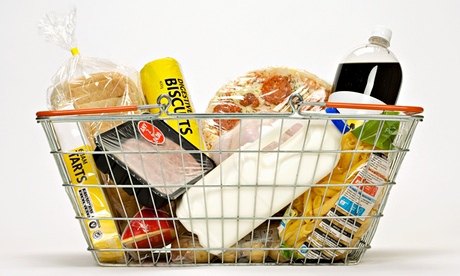
 won't in itself do you any harm. Daily sweet snacks, washed down with sugary drinks and supplemented with crisps, prior to a cheeseburger with chips, are highly likely to contribute to heart disease, however.